


Fly Ash Africa
Products
Fly Ash Africa stands as a leader in leveraging the potential of fly ash—a by-product of coal combustion—into innovative, sustainable solutions for industries across Southern Africa. Our range of products caters to various applications, enhancing performance, durability, and sustainability. Below is an expanded look at our offerings, exploring their technical specifications, real-world applications, and future possibilities.
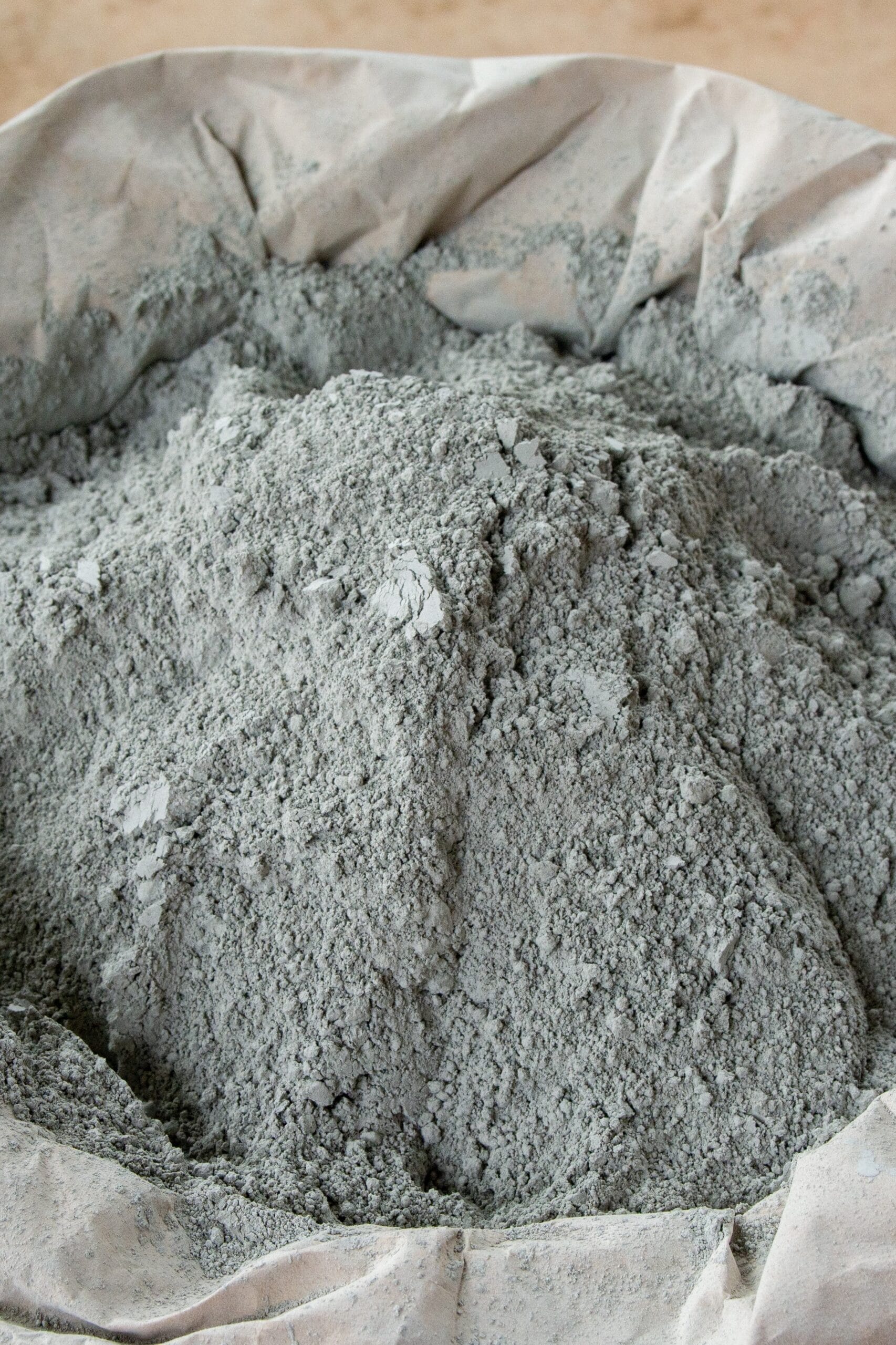

Fly Ash for Cement
Fly ash has revolutionized the cement industry, offering unmatched benefits in terms of enhanced performance and environmental impact. Its pozzolanic properties, which enable it to react with calcium hydroxide in the presence of water, are highly valued for producing supplementary cementitious materials (SCMs).
Fineness: Fly ash particles are fine and spherical, increasing surface area for pozzolanic reactions, leading to denser, stronger cement matrices.
Case Study
A well known blended cement producer worked with Fly Ash Africa’s to develop a CEM IV B-V 32,5N cement, containing 45% fly ash while still maintaining all quality parameters, reducing the embodied CO2 content of each bag of cement produced—a testament to the environmental and performance benefits of our fly ash products.
Future developments in cement production include increased blending percentages, advancing the circular economy and further reducing carbon footprints.
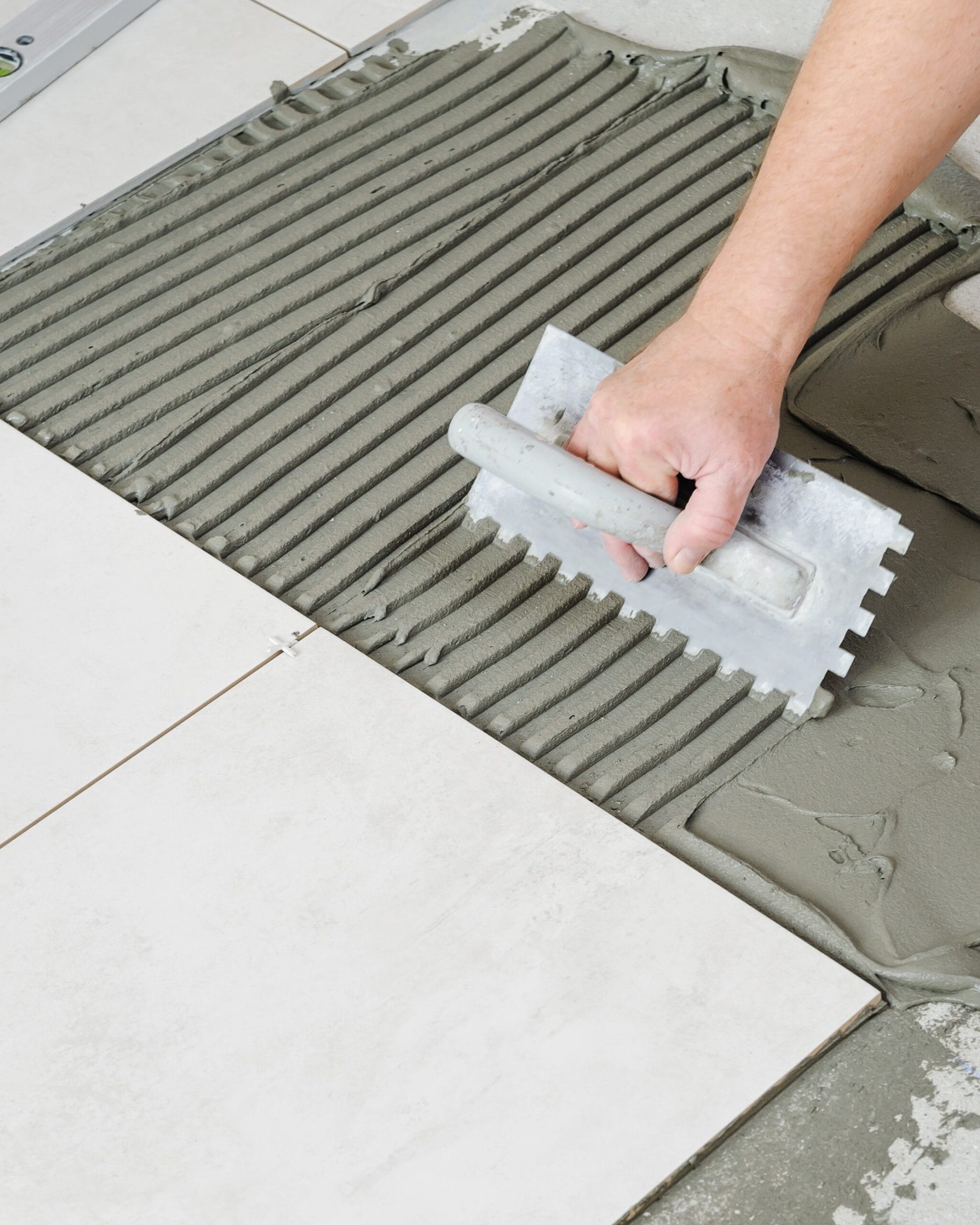
Tile Adhesives
Modern tile adhesives demand solutions that support long-lasting integrity while maintaining cost efficiency. Fly ash fulfils this need, acting as an essential component in adhesive formulations.
Example Application
Fly Ash Africa supplied fly ash to a well known tile-adhesive manufacturer in the North West province, where cost-effective, high-performance tile adhesives contributed to quicker installations and improved profitability.
Future trends include broadening the use of fly ash in adhesives for larger tiles and complex architectural elements, ensuring versatility alongside reliability.

Mining Backfill & Grouting
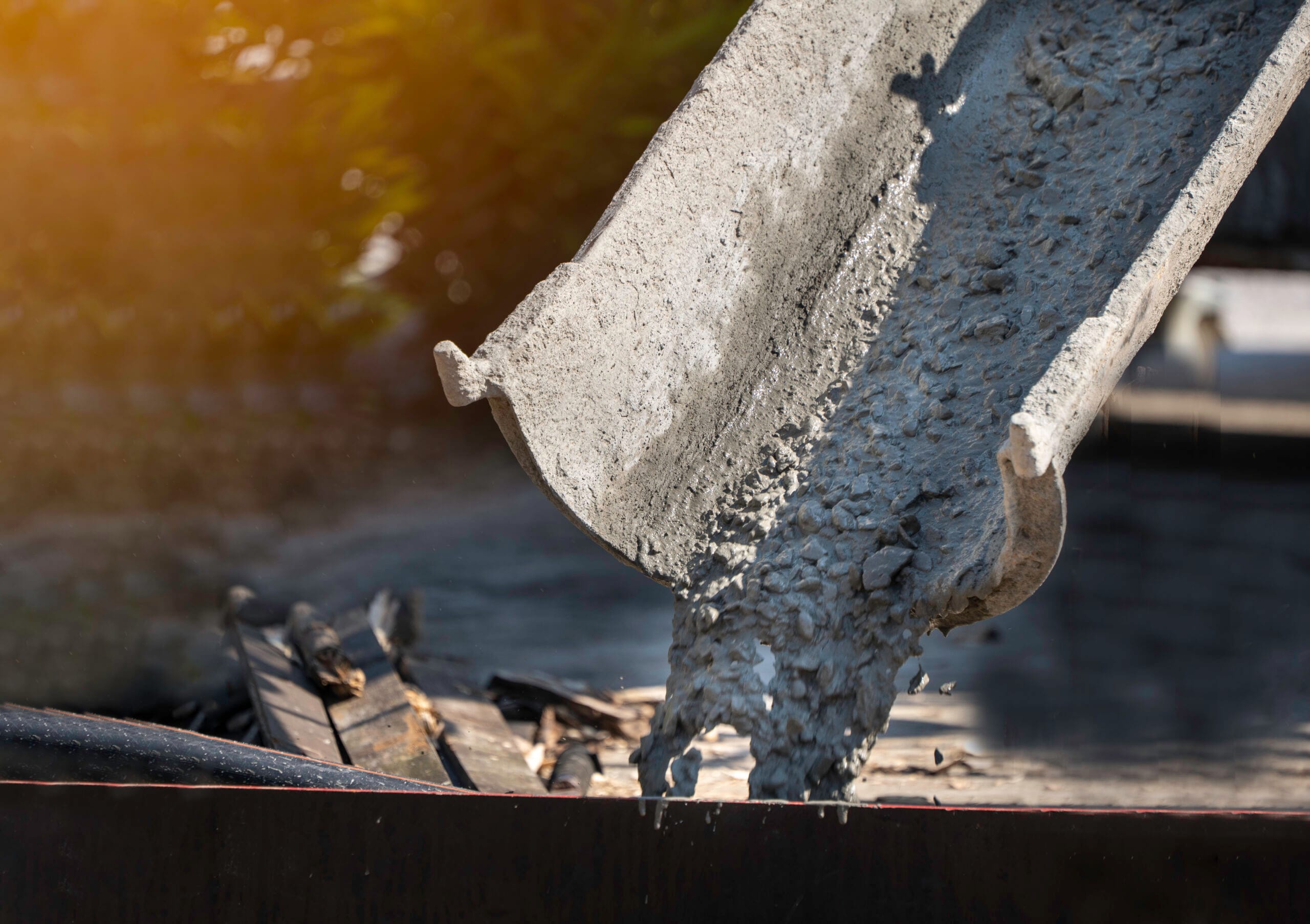
Mining operations require materials that ensure both safety and efficiency. Fly ash plays a pivotal role in stabilizing mine tunnels via backfill systems and improving grout flow for critical reinforcement purposes.
Mining Backfill & Grouting

Looking ahead, innovations like geopolymer-based fly ash systems could further enhance strength and environmental performance in mining.
Construction Applications
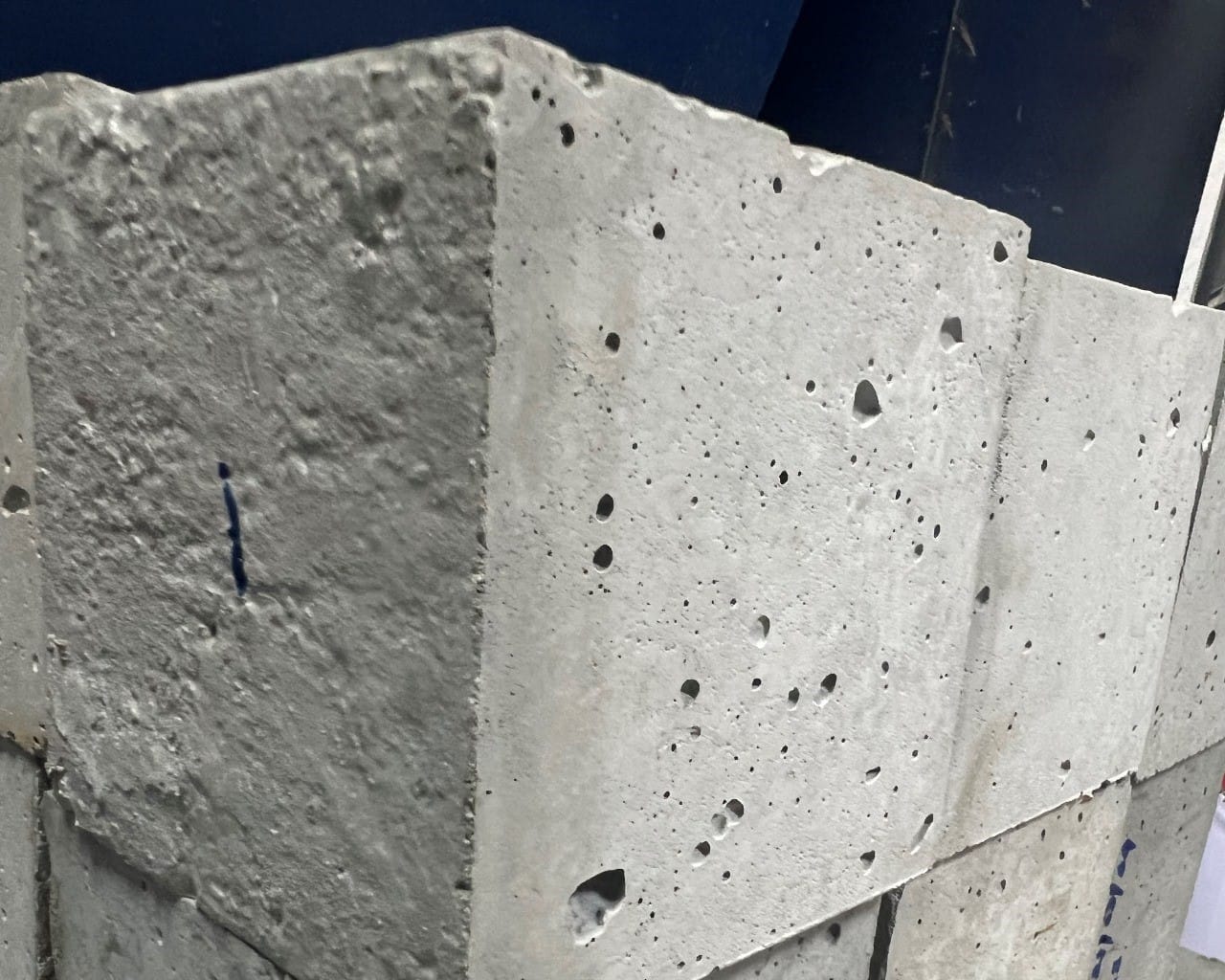
Fly ash is a staple in construction, renowned for improving the properties of concrete while delivering significant sustainability advantages. From bridges to skyscrapers and marine structures, its utility is undeniable.
Soil Stabilization
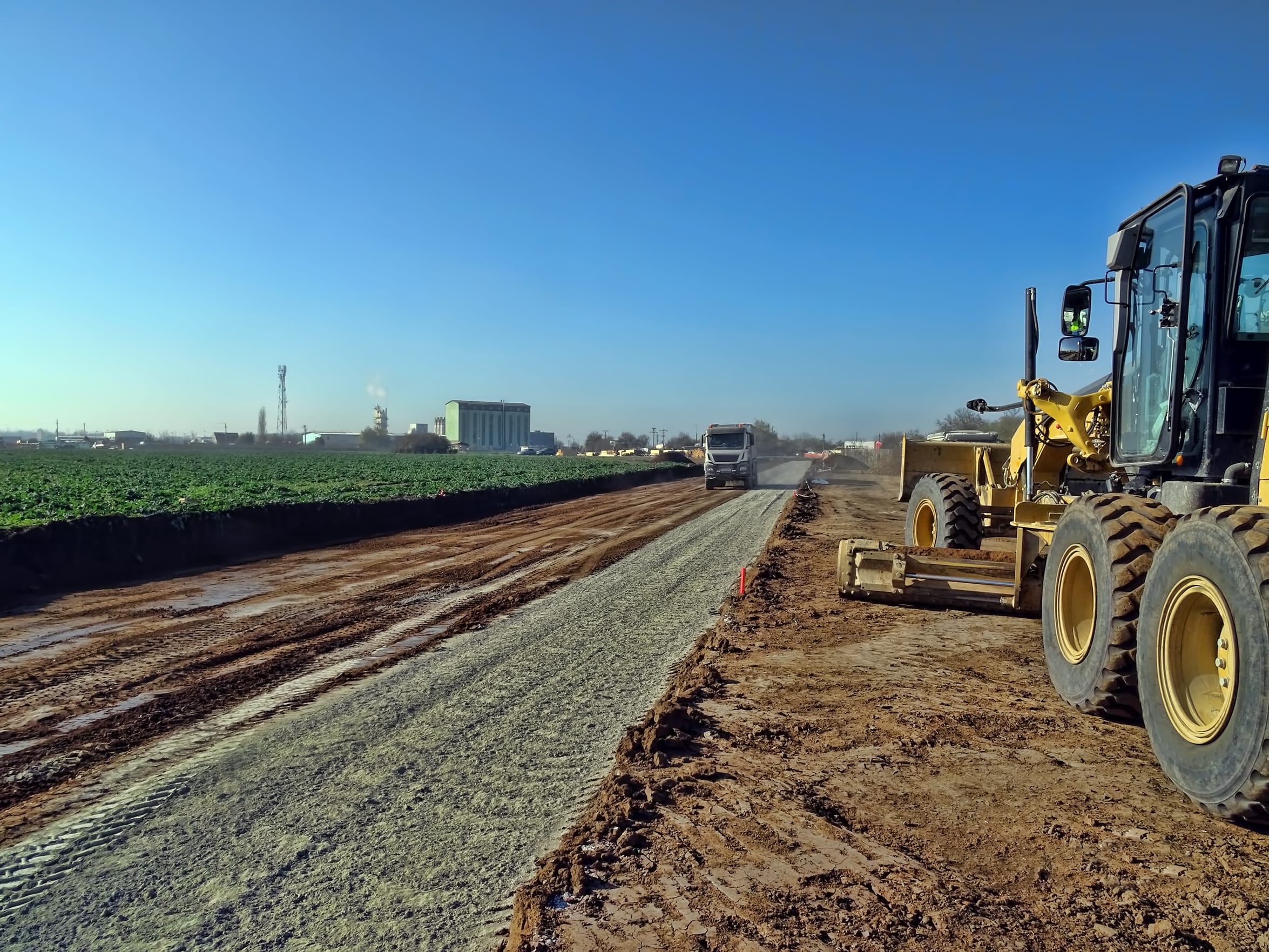
Unstable soils pose challenges to construction and agriculture. Fly ash is an effective amendment for soil stabilization, making previously unsuitable lands viable for development.
Soil Stabilization
Emerging uses for fly ash include its integration with biopolymers for eco-friendly soil treatments.
Advanced Composites and Polymers
The addition of fly ash to polymer matrices yields advanced materials with superior performance.
Fly Ash-Reinforced Polyethylene Composites
- Key Properties: Lightweight, high tensile strength, and excellent thermal resistance.
- Application: Used in polyethylene pipes and lightweight construction panels.
Fly Ash-Reinforced Polypropylene Composites
- Key Properties: Exceptional stiffness and impact resistance.
- Application: Ideal for making durable industrial crates and packaging materials.
Fly Ash-Reinforced Polyvinyl Chloride (PVC) Composites
- Key Properties: Rigidity and moisture resistance.
- Application: Used in water pipes and cladding systems.
Fly Ash-Reinforced Poly(vinyl alcohol) Composites
- Key Properties: Excellent film formation and water solubility.
- Application: Industries focused on packaging and agricultural films benefit greatly from these composites.
Fly Ash-Reinforced Epoxy Composites
- Key Properties: High stiffness and thermal stability, with reduced costs.
- Application: Revolutionizing aerospace with stronger, lightweight parts.
Looking forward, self-healing composites infused with fly ash could transform manufacturing, significantly extending product lifespans.
Rubber Fillers
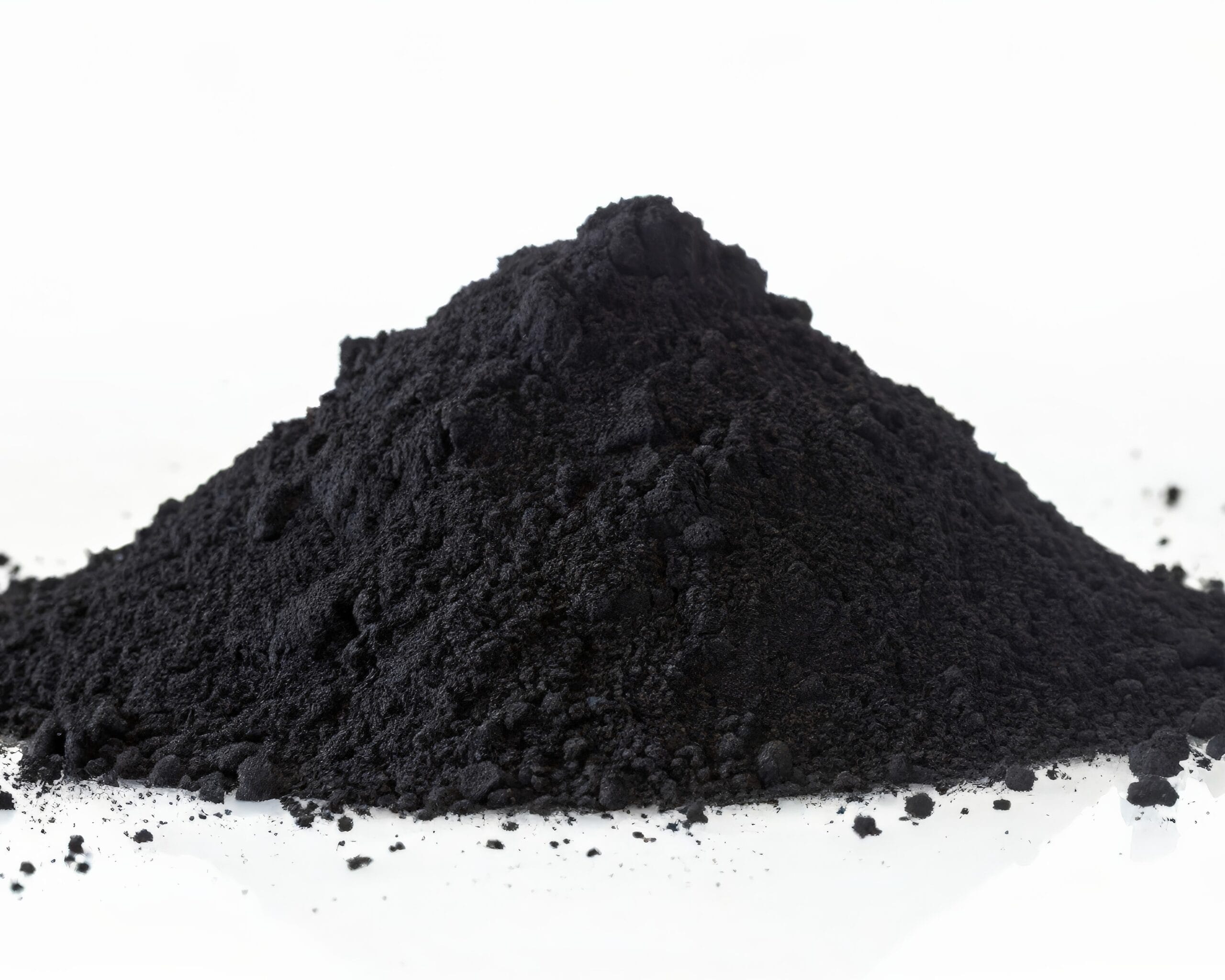
Fly ash improves the performance of rubber products, reducing wear and increasing flexibility.
The future of rubber fillers may involve tailoring fly ash properties through nanotechnology for unique applications, such as high-performance elastomers.
Synthetic Foams for 3D Printing
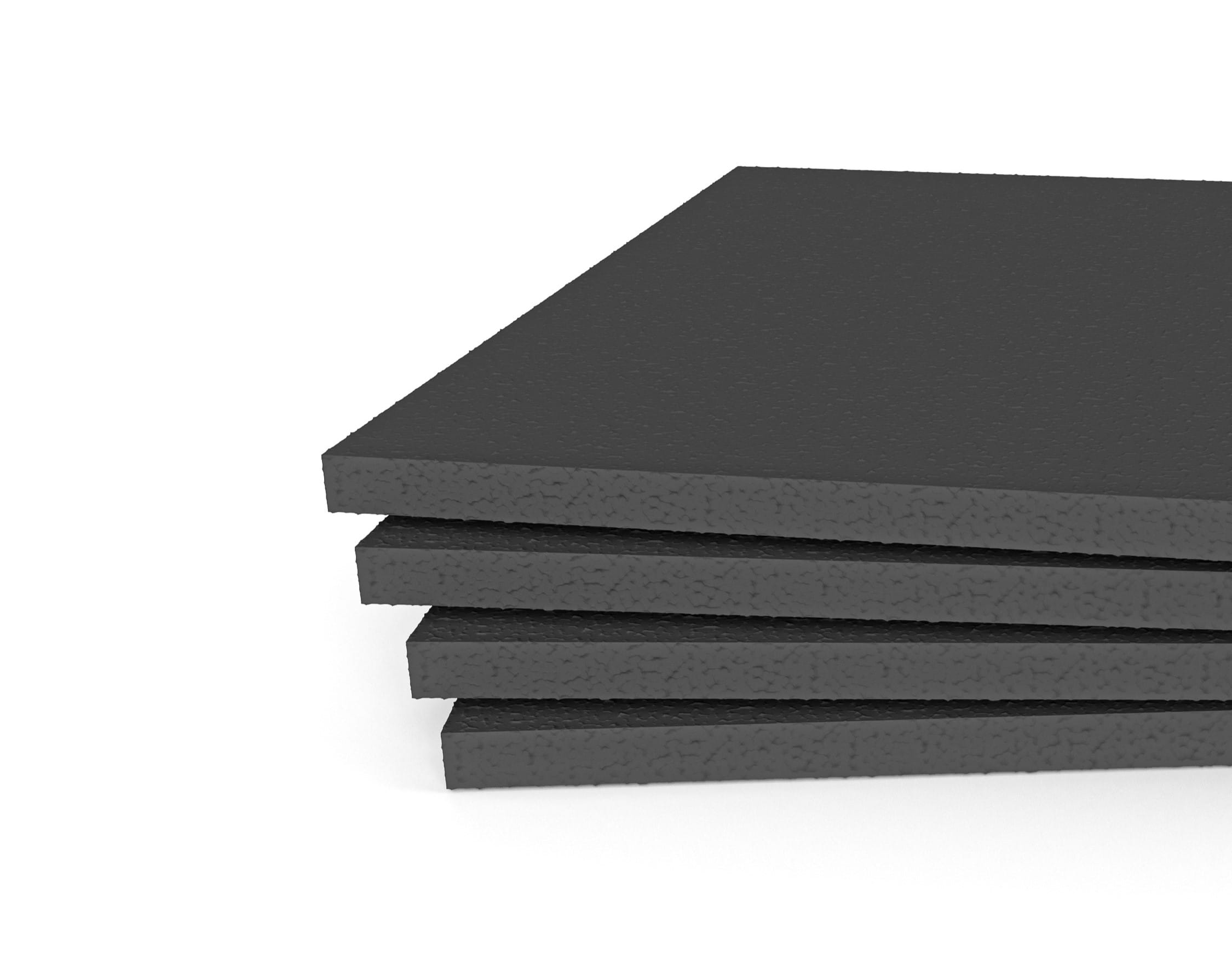
Fly ash enhances the performance of synthetic foams used in 3D printing, allowing for superior structural integrity and thermal stability in printed constructs.
Synthetic Foams for 3D Printing
Fly Ash Africa is collaborating with additive manufacturing pioneers to optimize material use in healthcare, aerospace, and custom housing projects.
Fly Ash in Paints
Fly ash in paint products delivers aesthetic, functional, and economic benefits.
Anticipated developments in this sector include eco-friendly formulations with fly ash that eliminate VOCs, ensuring cleaner air and safer applications.